
Industrial Safety and Compliance Audits in South Africa and Across Africa
Electrical, fire, energy and arc flash audits for industrial and commercial facilities across South Africa, Nigeria, Kenya and Ghana. Reports are clause-referenced, risk-ranked and built to be the evidence a regulator or insurer actually asks for.
Industrial Safety and Compliance Audits, Across Africa
Singh Isotech provides electrical, fire, energy and arc flash safety audits for industrial and commercial facilities across South Africa, Nigeria, Kenya and Ghana. Every audit comes back as a clause-referenced report – findings linked to the specific regulation or standard, risk-ranked, and closed out against a remediation register, not handed over as a generic checklist.
Across every market we work in, the same problem shows up wearing a different regulatory wrapper: a business needs proof – not a good-faith belief – that its electrical installation, its fire provision and its energy use have actually been assessed by someone qualified to do it. South Africa’s Occupational Health and Safety Act, Nigeria’s Factories Act, Kenya’s Occupational Safety and Health Act and Ghana’s equivalent legislation all rest on the same underlying test: the employer must show that a hazard was identified, a risk was assessed, and a proportionate step was taken.
A safety file full of appointment letters and no technical assessment behind it proves that duties were allocated. It does not prove that anything was actually checked. The audit is the evidence – thermal images, measured values, clause references and a closed-out remediation register are what a regulator, an insurer or an underwriter actually wants to see. That’s the standard every Singh Isotech report is written to, wherever the site is.
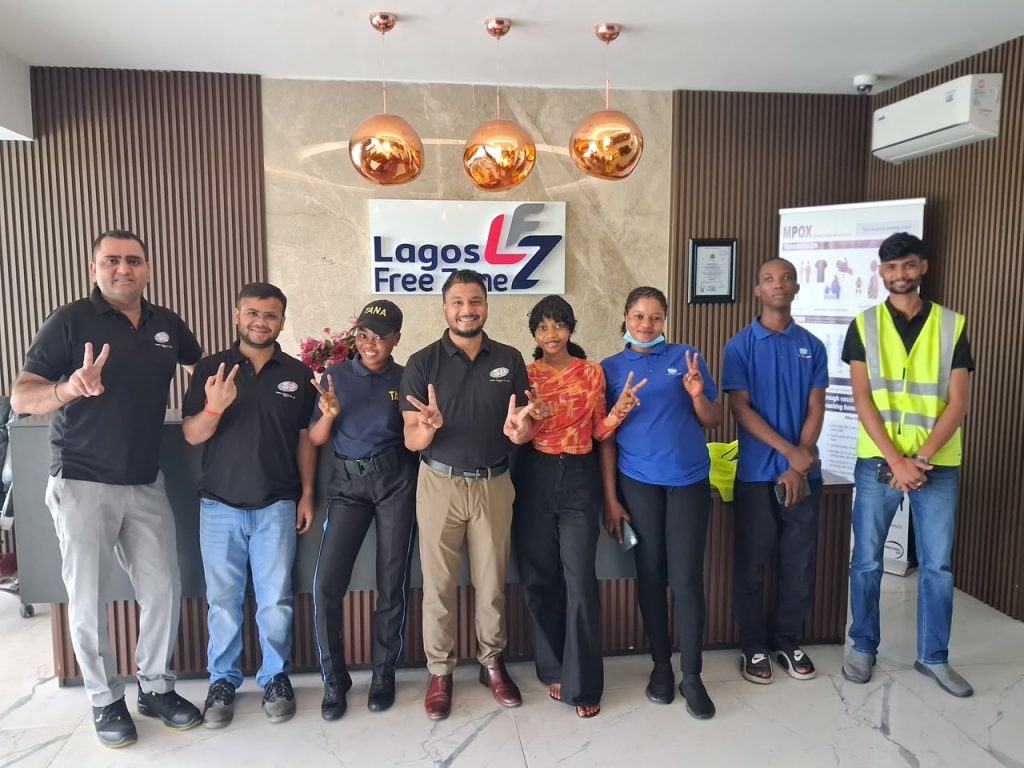
Audit Services in Africa
Four audit disciplines, delivered by the same engineering team under one contract. Each can be commissioned on its own or combined into a single site visit – most facilities end up needing more than one.
Electrical Safety Audit in Africa
A full electrical installation audit – distribution boards, protective devices, earthing and bonding – backed by a thermographic survey on every visit, and referenced to the applicable installation regulations with a risk-ranked remediation register.
Fire Safety Audit in Africa
A fire risk assessment covering occupancy, means of escape, containment and detection, scoped specifically to get a fire compliance certificate approved the first time it’s submitted.
Energy Audit in Africa
Metered data logging and an energy balance, not a walkthrough estimate. Findings are costed with a payback period, and every report includes an ISO 50001-aligned baseline.
Arc Flash Study in Africa
An IEEE 1584 incident energy assessment covering short-circuit modelling, switchgear labelling and the PPE matrix that follows from it – plus a costed plan for reducing incident energy, not just measuring it.
Where We Work, and What We Audit Against
Singh Isotech carries out site audits in South Africa, Nigeria, Kenya and Ghana. The legal framework changes at every border, and our reports are written against the standard that actually applies on site – not a generic template with the country name swapped out.
| Country | Governing framework | What that means on site |
|---|---|---|
| South Africa | Occupational Health and Safety Act 85 of 1993; SANS 10142-1; SANS 10400 | Employer general duty, plus SANS-referenced electrical and fire detail |
| Nigeria | Factories Act; sector HSE rules for oil & gas | Facility-level compliance plus additional scope on oil & gas sites |
| Kenya | Occupational Safety and Health Act, enforced by DOSH (the Directorate of Occupational Safety and Health) | DOSH registration and inspection requirements shape the audit scope |
| Ghana | Factories, Offices and Shops Act | Workplace safety duties similar in structure to South Africa’s |
Wherever the site is, the audit method is the same: identify the hazard, measure it, reference it to the applicable clause, and rank it by risk.
Why Singh Isotech
Facilities across Africa give us three reasons for choosing Singh Isotech, and they come up in nearly every client conversation we have.
Everything under one contract
Electrical, fire, energy and arc flash audits are usually bought from three or four different specialists, each mobilising separately and writing to their own format. We run all four from the same engineering team – and, where the scope allows it, the same site visit – which means one mobilisation cost, one report format your safety officer already understands, and no gap between what the electrical auditor assumed and what the fire auditor actually found.
30+ years of audit practice
Singh Isotech has been auditing industrial electrical and fire risk for more than three decades. That’s long enough to have audited the same site twice, ten years apart, and to know exactly which findings recur and which ones actually cause incidents. A FLIR thermographic survey is included as standard on every electrical audit, not sold back as an add-on.
Reports written for the reader, not the auditor
A report an inspector, an insurer and a facilities manager can all read without a translator is a deliberate design choice, not an accident. Findings are referenced to the exact clause of the standard, risk-ranked rather than listed in the order they were found, and closed out against a remediation register – so the next visit can show what actually changed since the last one.
Start With the Legal Duty
If your facility is in South Africa, the electrical, fire and energy duties described above all trace back to one piece of legislation: the Occupational Health and Safety Act 85 of 1993. It sets the general duty; the regulations underneath it – and the SANS standards they reference – set the technical detail. Before commissioning an audit, it’s worth understanding exactly what the Act requires, who carries the duty, and what evidence a regulator actually expects to see.
Understand employer duties, section 16(2) appointments, key regulations and the evidence a regulator expects.
Safety Audits and Health and Safety Consulting in South Africa
Our Africa work starts in South Africa, where employers carry clear duties under the Occupational Health and Safety Act 85 of 1993 and its regulations. We carry out safety audits for sites in Johannesburg, Pretoria, Durban and Cape Town, and extend the same approach to Nigeria, Kenya and Ghana.
Frequently Asked Questions
Is a safety audit a legal requirement in South Africa?
Yes, in effect. The Occupational Health and Safety Act 85 of 1993 requires employers to provide a working environment that is safe and without risk to health, so far as is reasonably practicable – and an audit is how that duty gets demonstrated with evidence rather than asserted.
Does Singh Isotech operate outside South Africa?
Yes. We run electrical, fire, energy and arc flash audits across South Africa, Nigeria, Kenya and Ghana, with reports written against the framework that applies in each country rather than a single generic template.
Can electrical, fire and energy audits be combined into one site visit?
Usually, yes. Most of the instrumentation and access required overlaps, so combining services under one contract and one mobilisation is common and typically reduces total site downtime.
What is DOSH, and how does it affect facilities in Kenya?
DOSH is Kenya’s Directorate of Occupational Safety and Health, the body responsible for workplace registration and inspection under the Occupational Safety and Health Act. Its requirements shape the scope of any audit carried out at a Kenyan facility.
Which legislation governs workplace safety in Nigeria?
The Factories Act is the primary framework for facility-level workplace safety in Nigeria, with additional sector-specific HSE requirements applying to oil and gas sites.
Which South African cities do you serve for safety audits?
We audit sites in Johannesburg, Pretoria, Durban and Cape Town, and travel to other provinces on request.
Request an audit quote
Tell us the country, the site type and what triggered the requirement. We will scope the audit and quote it.

